
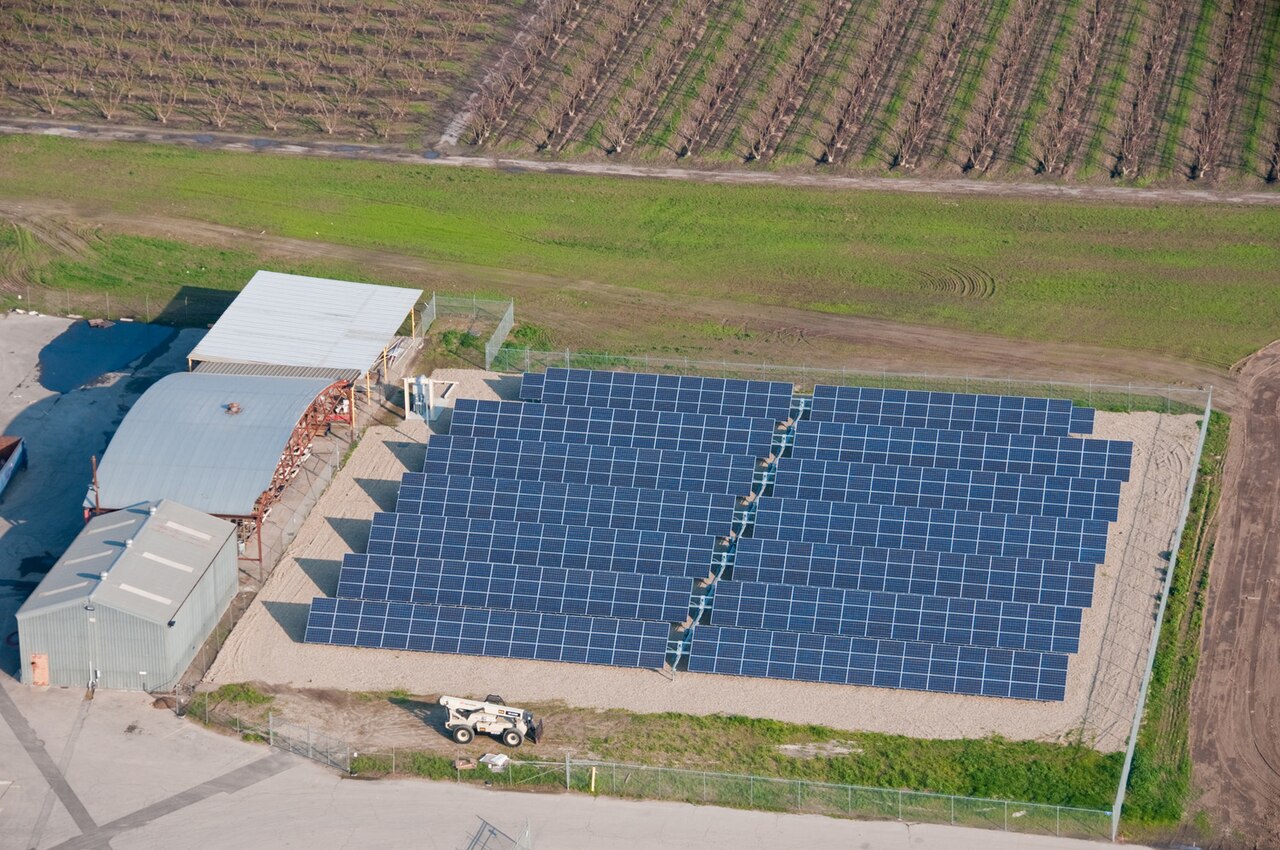
A project to test whether solar-powered cold storage can preserve fruit and vegetables in Bangladesh's climate has ended, Protidiner Sangbad reports. Under it, a pilot cold store was installed on a farm in Rajshahi. It uses a low-temperature latent heat storage material (LHM) to keep the temperature inside stable.
At the closing event at the InterContinental hotel in Dhaka on Tuesday morning, Environment, Forest and Climate Change Minister Abdul Awal Mintoo stressed the use of solar-powered cold storage to reduce post-harvest losses and keep the quality of fruit and vegetables. High temperatures, a shortage of cold storage and irregular electricity supply often mean that farm produce spoils before it reaches the market, he said.
The minister said the Rajshahi cold store was built with Bangladesh's climate, farming methods and power supply in mind. Rapid cooling of fruit and vegetables, cold storage, temperature-controlled transport and digital temperature monitoring could be joined in one system, he said. If temperature-controlled transport is linked to cold storage, farmers will be able to market more of what they grow and have the chance to earn more.
The Korea Institute of Industrial Technology (KITECH) led the project with the cooperation of the Ministry of Environment, Forest and Climate Change. It was funded by the UN Environment Programme (UNEP) and the UN Climate Technology Centre and Network (CTCN). Technical training was also given under the project.
The minister hoped technical cooperation with South Korea and the CTCN would continue so that the technology can reach more farming areas. Dr Nurun Nahar, additional secretary of the ministry, and the KITECH principal researcher who headed the project also spoke at the event.
Photo: SolarWriter / Wikimedia Commons (CC BY-SA 3.0)
Source: Protidiner Sangbad



Comments
(0)