
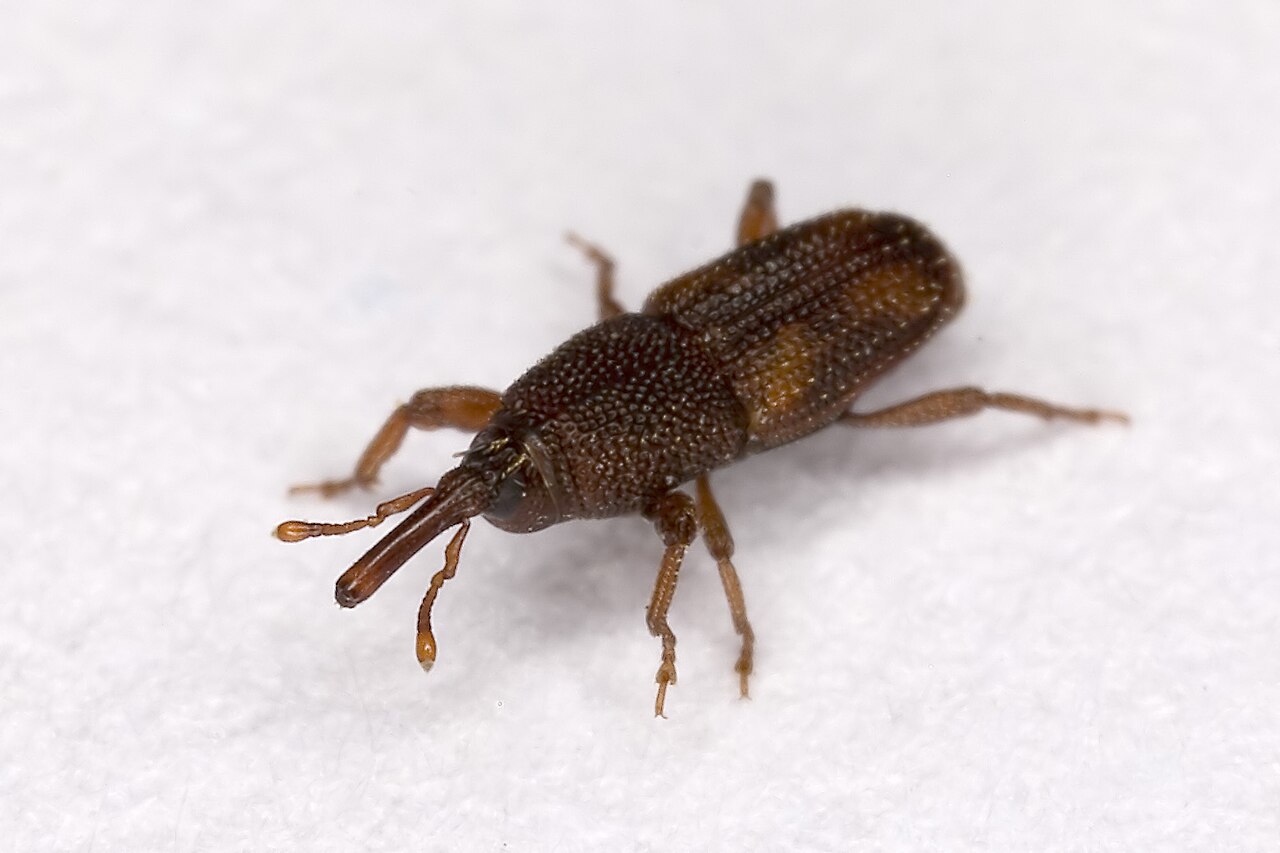
Airtight jars, dry hands and all the care in the world do not always keep small insects out of stored rice and lentils, and left alone they spread through the grain. In Kolkata's Ei Samay, Sayam Krishna Deb writes that there is no need to throw the grain away; a few home methods help.
Put four to six bay leaves in the rice jar; their smell can help keep weevils away, as long as the lid is kept tightly shut. A few cloves work too, and eight to ten are suggested for a jar of lentils. Clove oil can be sprayed, but check that any oil or spray is safe to eat before it touches food.
If weevils appear, rice can go into the fridge for a while, then be brought back to room temperature and stored in a dry, airtight jar; small amounts of lentils can also be kept in the fridge in zip-lock bags or lidded boxes.
A few garlic cloves in their skins can sit in the rice, replaced when they dry out, and four or five in a jar of lentils. A dried neem twig or two or three dried chillies are also traditional.
Spread infested grain on a clean cloth in the sun: rice for a day, lentils for two or three days, and lentils can be sunned once a month as a habit. The writer warns that grain showing mould, a bad smell or dampness should not be eaten.
Photo: Olaf Leillinger / Wikimedia Commons (CC BY-SA 2.5)
Source: Ei Samay



Comments
(0)