
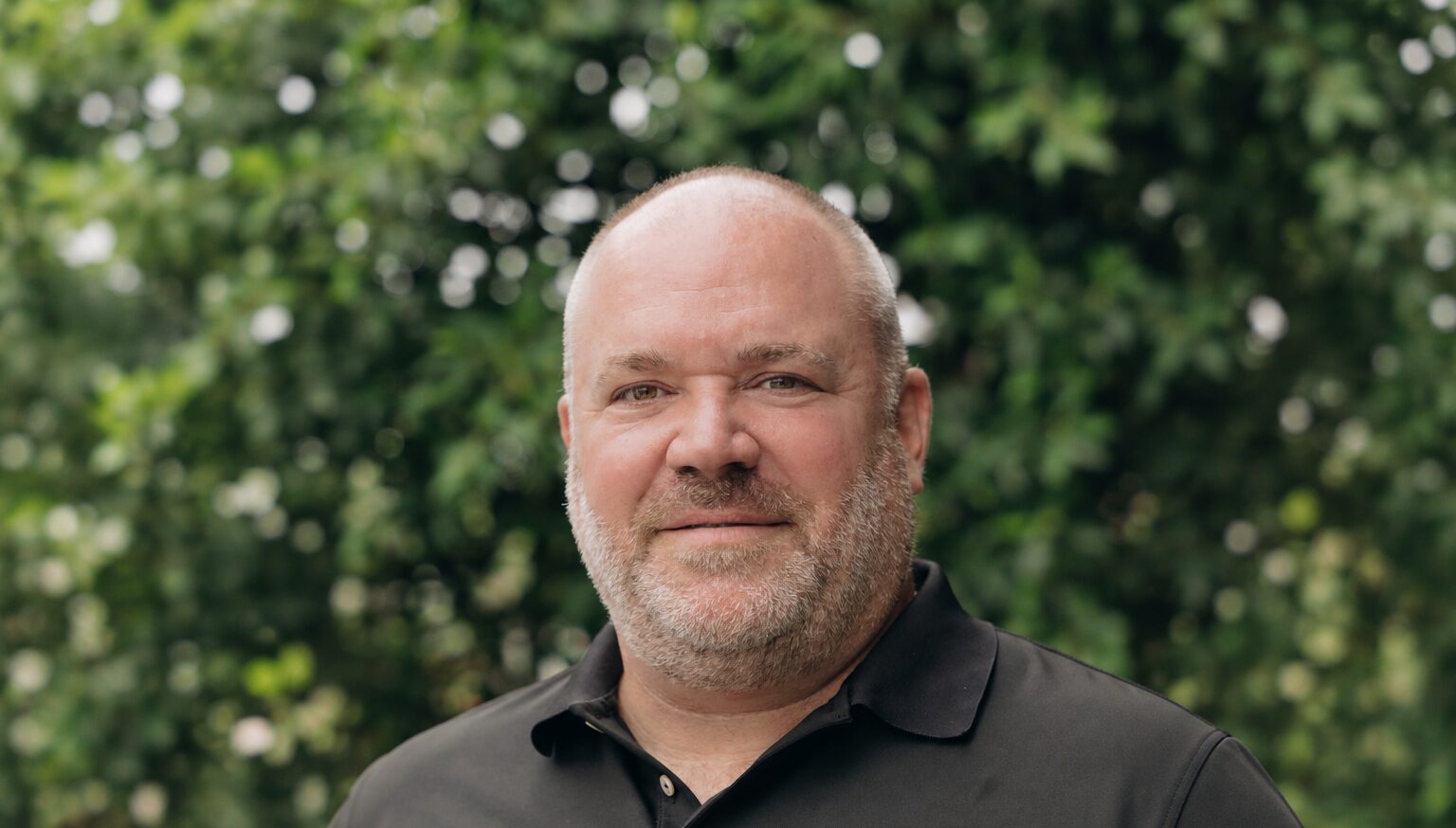
ProducePay, the Los Angeles company that advances working capital to fruit and vegetable growers, is turning itself from a capital-heavy fintech into an agtech and data business. CEO Patrick McCullough told AgFunderNews he expects the firm to be profitable by the end of the year and called 2027 "a breakout year".
The company recently announced $140 million in new equity, led by Avenue Capital and Astanor, and financing capacity, including a lending facility backed by outside investors that cuts the amount of ProducePay's own money needed to fund grower advances. With the new structure it expects to advance $1 billion to growers next year while adding technology that ties payments, financing, visibility and programme management together across the fresh-produce supply chain.
Under the facility ProducePay keeps only "a little skin in the game". A new lending fund supported by The i80 Group, AgAide, Thiele Capital Management and Millenium Capital supplies most of the equity, and the facility could reach $300 million with another capital provider expected shortly. About 15% of the money sits in what McCullough calls the "haircut equity layer" — from AgAide, Millennium and a small share from ProducePay — which takes the first losses if growers default; i80 Group provides the other 85% as debt.
To win those investors, ProducePay showed 11 years of records of every dollar advanced and repaid. Defaults happen occasionally and are written off, McCullough said, but losses have been very low: "Every back leverage, every debt provider to this facility in the history of our existence, has been repaid their full principal and their full interest." He believes the company has turned short-term working capital for perishable crops into "a financeable asset class".
The bigger shift is in data. Because ProducePay funds crops before harvest, it put agronomists in the field to check how its money was used. By 2023 it realised that information could be structured and sold, and it now supplies data services to clients such as berry supplier Fruitist and table-grape specialist Four Star Fruit. Agronomists photograph grapes, take sugar readings and check fruit against retailer specifications before harvest; in one case Costco, short of supply, accepted grapes early that missed only its length specification and paid tier-one prices.
Retailers want supply 52 weeks a year, consistent quality and price stability, McCullough said, and that needs visibility along the chain. ProducePay now tracks produce at invoice and pallet level — location, temperature, humidity, vibration — back to the farm and field. "We see the farmer paying for the capital and the importer paying for the intelligence," he said.
Fresh produce, he argued, is uniquely unstable: annual price volatility of 117%, more than oil or cryptocurrency, in a market that remains largely spot with few ways for growers and buyers to fix prices ahead. "This chaos I'm describing, unfortunately, is why produce farms are on the brink of death every other year." The firm, which has mostly served Latin American producers selling into North America, is expanding to Europe, Africa and the Middle East.
Source: AgFunderNews


Comments
(0)