

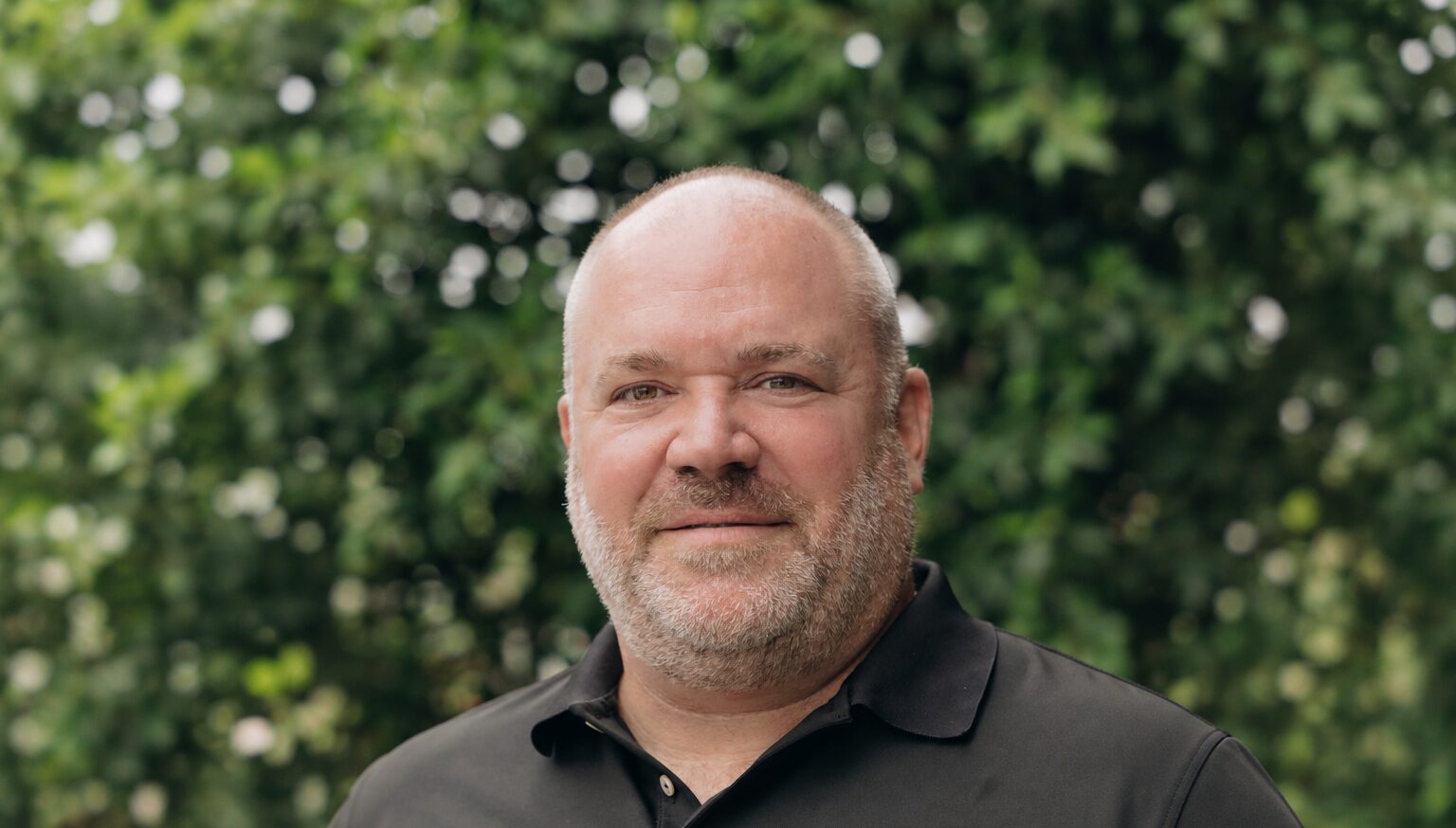
SweetAg, a Boulder, Colorado agrifintech company, has raised $7.4 million in a round led by Diagram Ventures, Builders VC and Cooperative Ventures. The money will go towards growing the client base for its platform, which sits alongside the legacy systems agricultural lenders use to originate loans.
Lending to farms is unusually hard, founder and CEO Luke Johnson told AgFunderNews, because a lender must weigh land parcels, livestock health, equipment lists, crop prices and production history — data that does not fit the categories of a standard loan origination system. "Technology can obviously support that and help with that, but it hasn't been smart enough to figure out exactly what should be collected from a farmer in every given situation," he said.
The company was founded as Landjourney in 2024. Johnson argues that bank platforms were built before today's AI tools existed and cannot easily absorb them, while most agricultural lenders still work with farmers by email — which he calls non-compliant and "extraordinarily dangerous from a security perspective". Fifty years ago a farmer got credit on a relationship with a local banker; today every loan must be fully documented, and technology has to carry that documentation.
SweetAg's pitch is that it is the only fintech building core banking infrastructure for agriculture rather than point solutions. Its system is meant to know what a given loan needs — whatever the farm structure, the crop or the number of co-borrowers, spouses and accountants involved — and to let a farmer apply, document, supply covenant information and renew a loan online, as farmers already bank online since rural branches disappeared.
AI does the tedious work, Johnson said: reading a handwritten balance sheet, checking that the numbers foot, that a tax return has every page and a date, that names and addresses match, and sending reminders that a loan officer would rather not make. Where figures conflict between an application and a source document, a human lender decides. Eligibility rules and ratios, he added, should be deterministic algorithms rather than AI judgement — "The idea is not to get humans out of the loop, it's to make consistent and efficient all of the human activities that are most annoying, unreliable, inconsistent, or tediously slow."
On privacy, Johnson said the move from paper and email to an encrypted system with audit trails is safer than what most commercial lenders do today, and that banning AI internally can backfire when an employee pastes a farm's financials into a personal chatbot instead. Some education of loan officers and borrowers will be needed, he said, but farmers are a natural audience: widely distributed and far from bank branches.
Source: AgFunderNews

Comments
(0)