
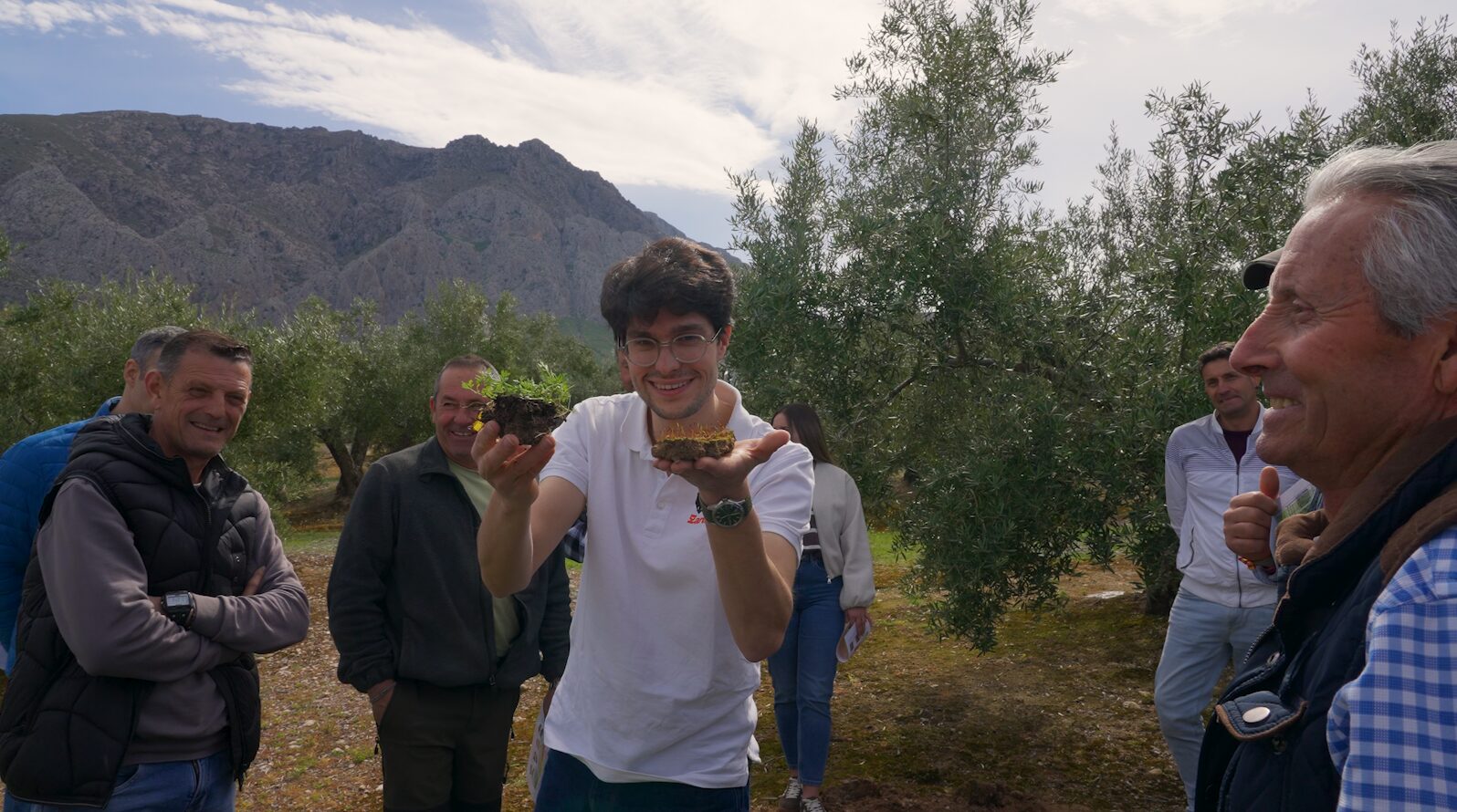
The average farmer worldwide is about 58 years old; only 11% of farm managers in Europe are under 40, and 9% of US producers are under 35. Those figures are behind the worry about who will take over farms as the current generation retires, and behind a set of programmes run by PepsiCo to draw young people into agriculture.
"There is no single solution to agriculture's generational transition," Monica Bauer, senior vice-president for social impact at PepsiCo, told AgFunderNews. "The barriers facing a beginning farmer in North America may be very different from those facing a smallholder farmer in a Latin America or an emerging agricultural enterprise in South Africa."
Bauer sees three connected problems everywhere. The first is economic: access to land, capital, equipment and infrastructure, and the ability to keep a business going through rising costs, climate pressure and market volatility. The second is skills and pathways — young entrants need technical, business and leadership skills and exposure to the range of careers in food and agriculture. The third is the surrounding community: mentors, peers, buyers and markets, but also places where families can find nutritious food, schools and work. Where the wider community is not thriving, she said, it is much harder to keep the next generation on the land.
The support differs by region. Future Harvest in Europe offers learning, mentoring, peer exchange and practical farm experience. Field to Future in the US includes scholarships, mentorship, professional development and potential paid internships in PepsiCo's agricultural supply chain. In South Africa the Kgodiso Development Fund combines business support with inclusive funding and market access for emerging agricultural enterprises. Participants are chosen at programme level by partner organisations with expertise in farmer development and education.
Asked whether a shortage of new farmers threatens its own supply, Bauer said the company sources more than 50 crops and ingredients from more than 60 countries and that "the future of the food system is at risk long term if people do not see a viable future in farming". Healthy soils, resilient harvests and thriving farming communities, she said, matter to the strength of its value chains — but no single organisation can solve the problem alone.
Among results so far, several Field to Future participants in the US have gone on to jobs at PepsiCo. In Mexico, the Agrovita programme helped form "Los PAPIs", the first rural cooperative created through the initiative, which connected smallholder plantain farmers to formal markets and eventually to supplying plantains for NatuChips. The hardest part, Bauer said, is that the barriers are interconnected: skills training alone cannot fix limited access to land, finance, markets or infrastructure.
Source: AgFunderNews


Comments
(0)