
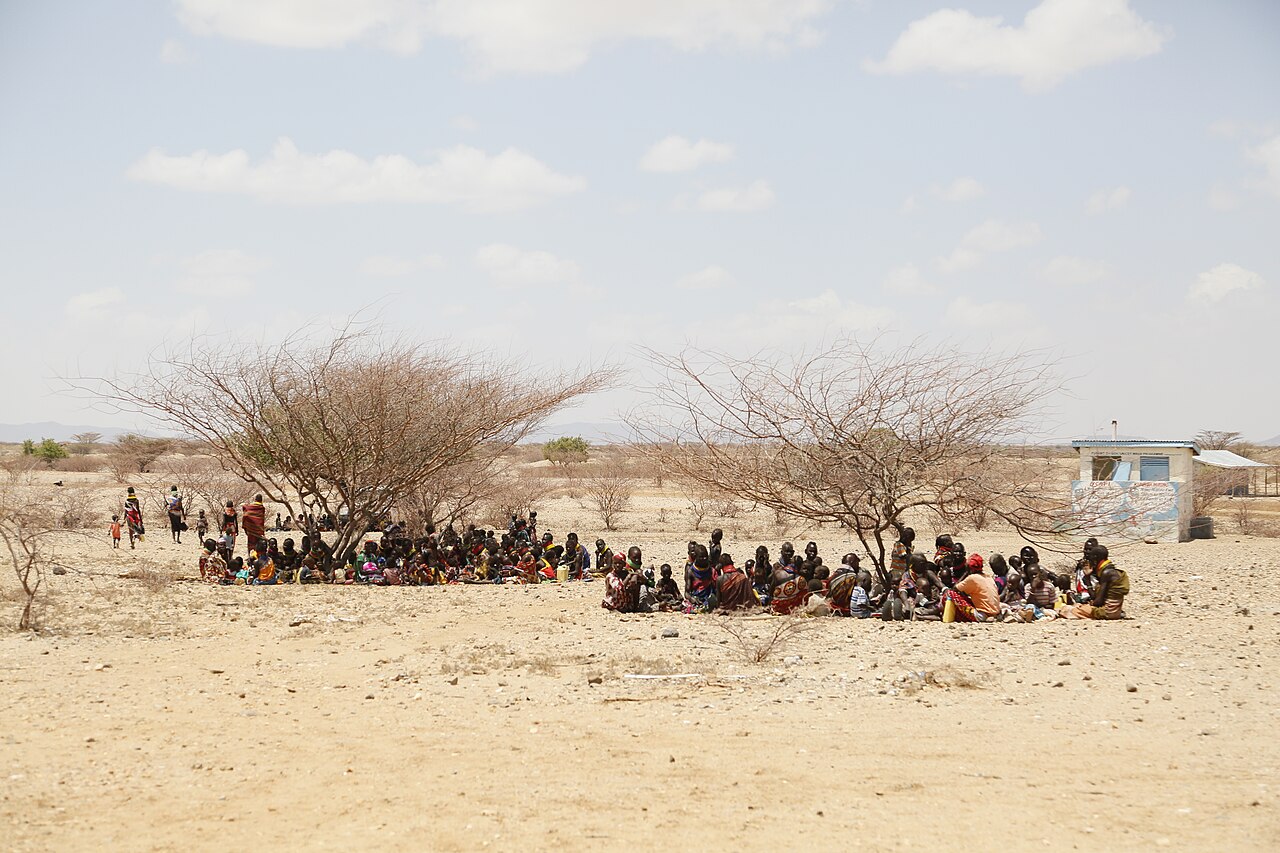
Rising tension in the Middle East and the blockade of the Strait of Hormuz point to a global food crisis, according to UN Women, the United Nations agency for gender equality and the empowerment of women. Its report says about 208 million women and girls in the 28 countries it surveyed are already living with food insecurity.
By the end of the year, another 22 million people could become food insecure, the report estimates. More than half of them, 53 per cent or 11.7 million, would be women and girls.
UN Women says disruption to shipping in the Strait of Hormuz is pushing up the cost of fuel, fertiliser and transport, which is raising food prices around the world. The risk is greatest in crisis-hit countries such as South Sudan, Sudan, Haiti, Yemen and Palestine.
In South Sudan, about 14 per cent of all women, one in seven, could fall newly into food crisis; in Lebanon the figure is about 4 per cent. Among those affected, women make up 60 per cent in Afghanistan, more than 57 per cent in Yemen and 56 per cent in Sudan.
This report is based on reporting by Samakal's international desk.
Photo: DFID - UK Department for International Development / Wikimedia Commons (CC BY 2.0)
Source: samakal


Comments
(0)