
Health Canada has proposed continued registration of fenamidone, a preventive fungicide used on field crops, vegetables and specialty crops, provided new risk mitigation measures are adopted, AgroPages reports. The proposal, Proposed Re-evaluation Decision PRVD2026-04, is open for a 90-day public consultation.
The regulator found dietary, occupational and bystander risks acceptable when the product is used under the proposed conditions, which include restricted-entry intervals of up to four days and additional personal protective equipment for some workers. Environmental risks were also judged acceptable with added precautionary label statements and spray buffer zones.
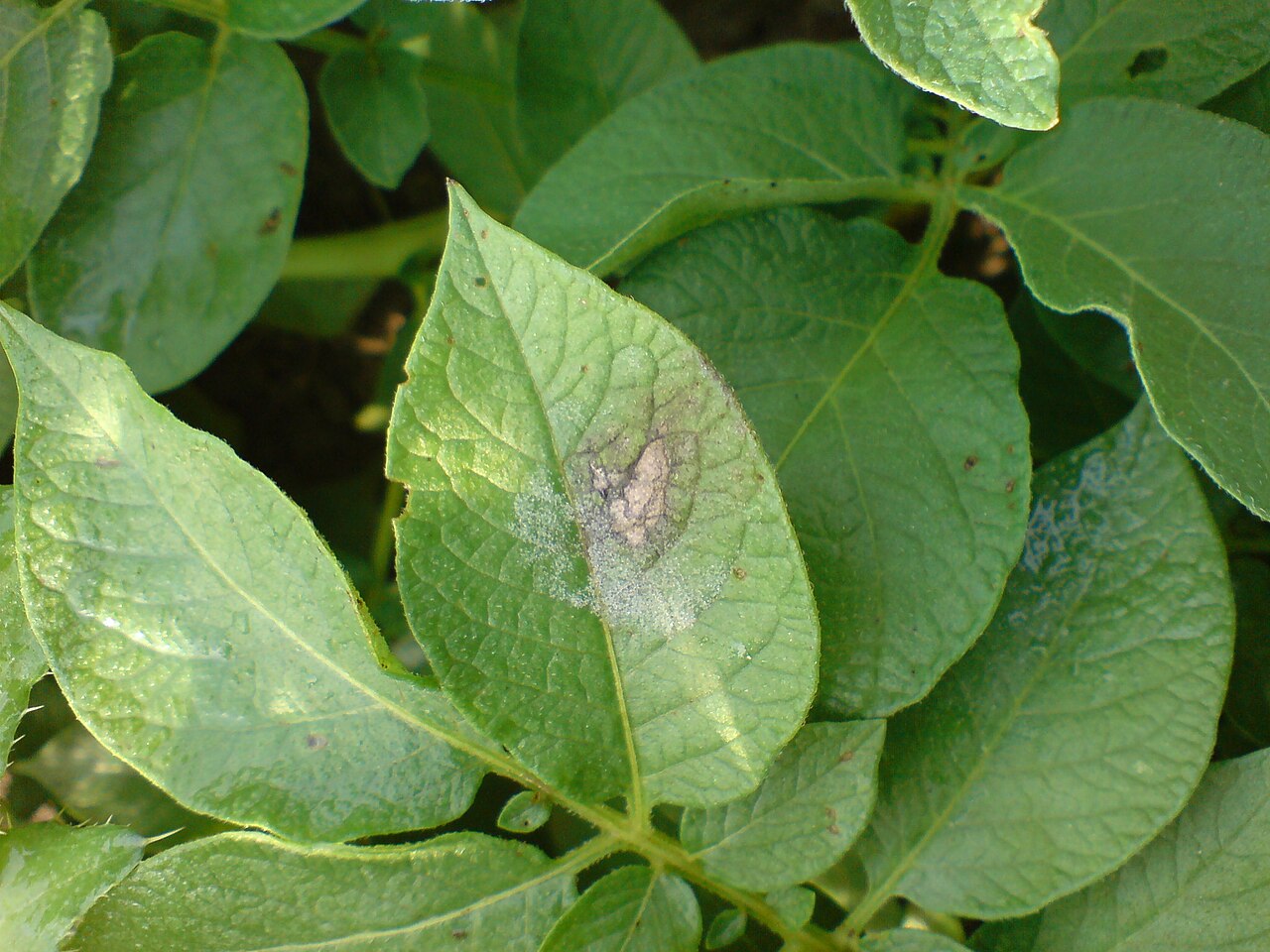
As a seed-piece treatment on potatoes infected with late blight, fenamidone increases emergence and may limit the spread of spores during handling and planting, Health Canada said, and tank-mixing it widens the range of diseases controlled with one treatment.
Fenamidone remains acceptable in other OECD countries including the United States, New Zealand and Colombia, but the European Union prohibited all uses in 2019 over human health and environmental concerns. Health Canada noted the potential for a metabolite to leach into groundwater and a possible risk to aquatic organisms from another, and will weigh comments before a final decision.
Photo: Björn Andersson (SLU) / Wikimedia Commons (CC BY-SA 4.0)
Source: AgroPages



Comments
(0)