
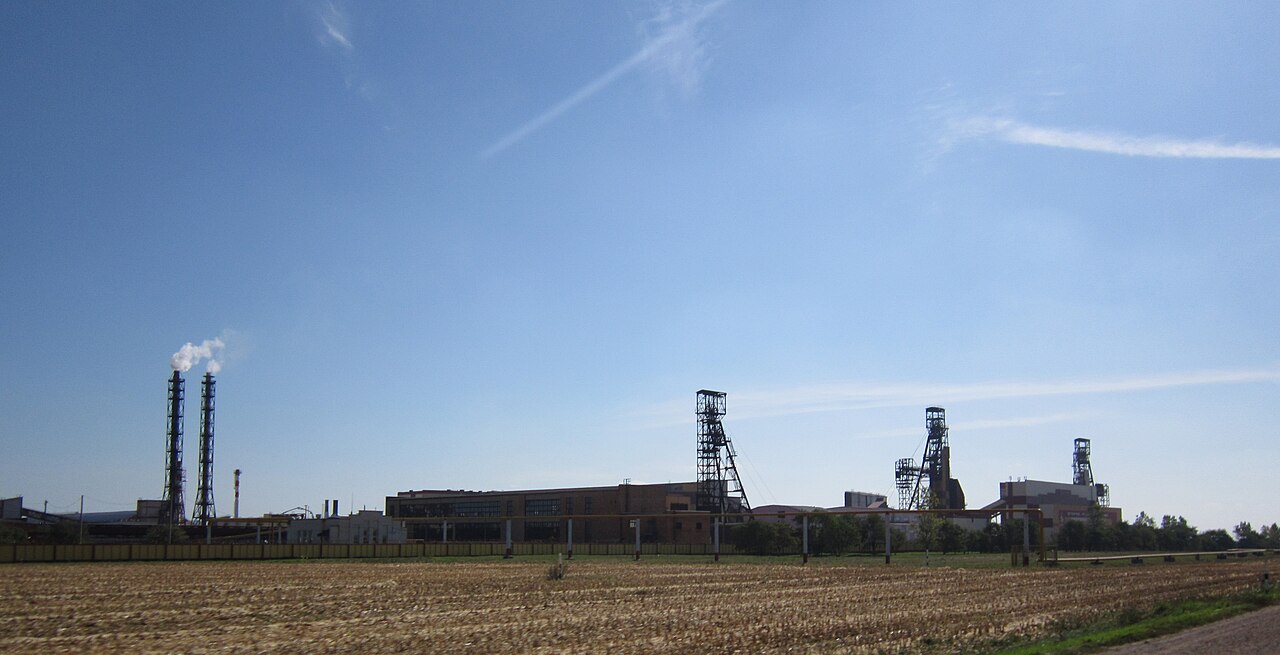
A 30,000-tonne shipment of Belarusian potash fertiliser is due at the Port of New Orleans around 14 October, the first such delivery to the United States in four years, according to trade press reports citing shipping data confirmed on 5 October. The granular muriate of potash was loaded on 15 September by Belaruskali and the Belarusian Potash Company at the Russian port of Bronka near St Petersburg, because European Union sanctions still bar Belarusian potash from Lithuania's Klaipeda port, its traditional route.
The cargo follows a staged easing of US sanctions. The Treasury's Office of Foreign Assets Control issued General License 13 on 15 December 2025, authorising dealings with Belaruskali, the Belarusian Potash Company and a related firm, Agrorozkvit LLC; it was published in the Federal Register on 2 March 2026. The relief came after Belarus agreed to release more than 120 political prisoners.
In September President Donald Trump said his administration was seeking a bulk purchase of Belarusian potash at a discount. He has separately threatened "very severe tariffs" on Canadian fertiliser.
In supply terms the shipment is small. Canada provides nearly 80 percent of US potash imports, which run to millions of tonnes a year. Before 2021, Belarus sent the US about 635,000 tonnes a year on average. It holds the world's second-largest potash reserves after Canada and produced around a fifth of global output before sanctions.
Analysts quoted in trade coverage doubt Belarus will undercut Canadian prices soon, given the extra freight of shipping through Russian ports and the few buyers willing to take on the compliance risk. The EU has not matched Washington's relief.
For the world potash market, which has spent four years adjusting to Belarus's partial exclusion, any lasting return of Belarusian volume to Western buyers would reopen a supply channel that Canadian and Russian producers had largely absorbed, a development fertiliser-importing countries will follow closely.
Photo: Homoatrox / Wikimedia Commons (CC BY-SA 4.0)
Source: Global Agriculture

Comments
(0)