
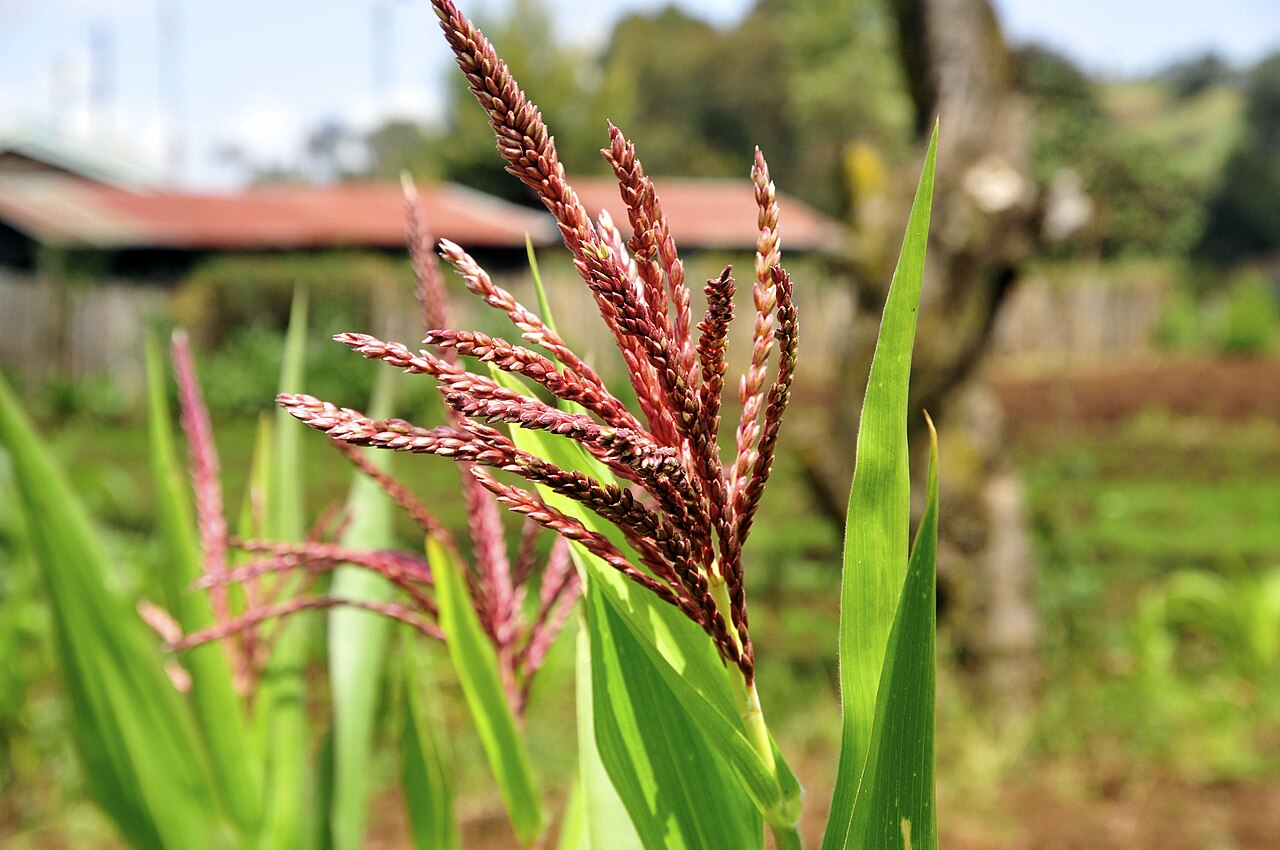
Large parts of East Africa are heading for poor harvests after the June to September rains were "exceptionally poor" across the north and west of the region, according to assessments from the GEOGLAM Crop Monitor reported on 3 October. Rainfall deficits of 100 to 300 millimetres were recorded across the affected areas, and record high temperatures made the dry conditions worse.
The assessment points to below-average yields and reduced pasture for livestock in Kenya, Ethiopia, Sudan, South Sudan, Uganda and Somalia.
In Kenya, forecasts from the Kenya ADAPT project, run with the country's Ministry of Agriculture, suggest maize yields in western counties could be up to 36 percent below average this season, based on the GEOCIF crop yield model. Western Kenya is one of the country's main maize belts, so a shortfall of that size matters for a staple that feeds millions of households.
Unlike a drought that develops in the middle of a season, this one began with the rains themselves failing from June. Heat on top of the rainfall deficit dried soils and stressed crops faster than the rainfall figures alone would suggest. Many of the affected areas went through repeated drought years in the past decade, including the 2020 to 2023 stretch that pushed parts of the Horn of Africa into a severe food crisis.
Herders face a related problem. Poor pasture growth weakens animals, lowers milk yields and cuts the prices herders get for their stock, often the main asset families sell in lean months.
The monitoring tools now tracking the season were built up after earlier East African food crises to give warning before shortages arrive. Catching a poor season weeks before harvest gives governments time to plan imports, target food aid and hand out drought-tolerant seed. Whether that warning leads to earlier action is the open question, since money and logistics for food aid have often lagged behind well-flagged forecasts in the region.
Photo: CIAT / Wikimedia Commons (CC BY-SA 2.0)
Source: Global Agriculture


Comments
(0)