
The International Dairy Foods Association (IDFA) has asked the Office of the US Trade Representative (USTR) to make limiting the reach of the European Union's Corporate Sustainability Due Diligence Directive (CSDDD) a priority in talks with Brussels, saying the rules are adding costs for American dairy companies, including some that sell nothing in Europe.
The pressure comes through customers. Multinational buyers that do business in Europe are asking their US suppliers for social audits and documentation built on European or international standards, so dairy plants operating entirely inside the United States face extra questionnaires, inspections, paperwork and corrective-action processes, sometimes several audits from different customers on the same subjects.
According to IDFA, an initial review can cost thousands of dollars and a full audit cycle with follow-up can approach $27,000 per facility, taking more than 100 hours of staff time. From its members' information, the association estimates the industry's total bill could exceed $29 million, before travel, production disruption and audit-platform fees. Some companies also report unclear standards and paying extra to see detailed reports of audits carried out at their own plants.
To back its case, IDFA commissioned a legal review from the law firm Steptoe LLP comparing international labour standards with the US federal and state laws that apply to dairy operations, covering child labour, forced labour, workplace safety, freedom of association, non-discrimination and working conditions. The review found that the two systems often pursue the same goals by different routes: US law prohibits specific violations and enforces them, while international frameworks ask businesses to run continuous due diligence, monitoring, documentation and grievance processes.
"The United States has extensive laws protecting workers and the environment, and the U.S. dairy sector strongly supports the protection of human and worker rights," said Michael Dykes, IDFA's president and chief executive. "But our trading partners should respect our regulatory system just as we respect theirs."
IDFA wants USTR to work with the European Commission to stop the extraterritorial application of EU due diligence requirements and to secure exemptions for US companies. It plans to use the legal analysis to help members tell real compliance gaps apart from differences in documentation or wording.
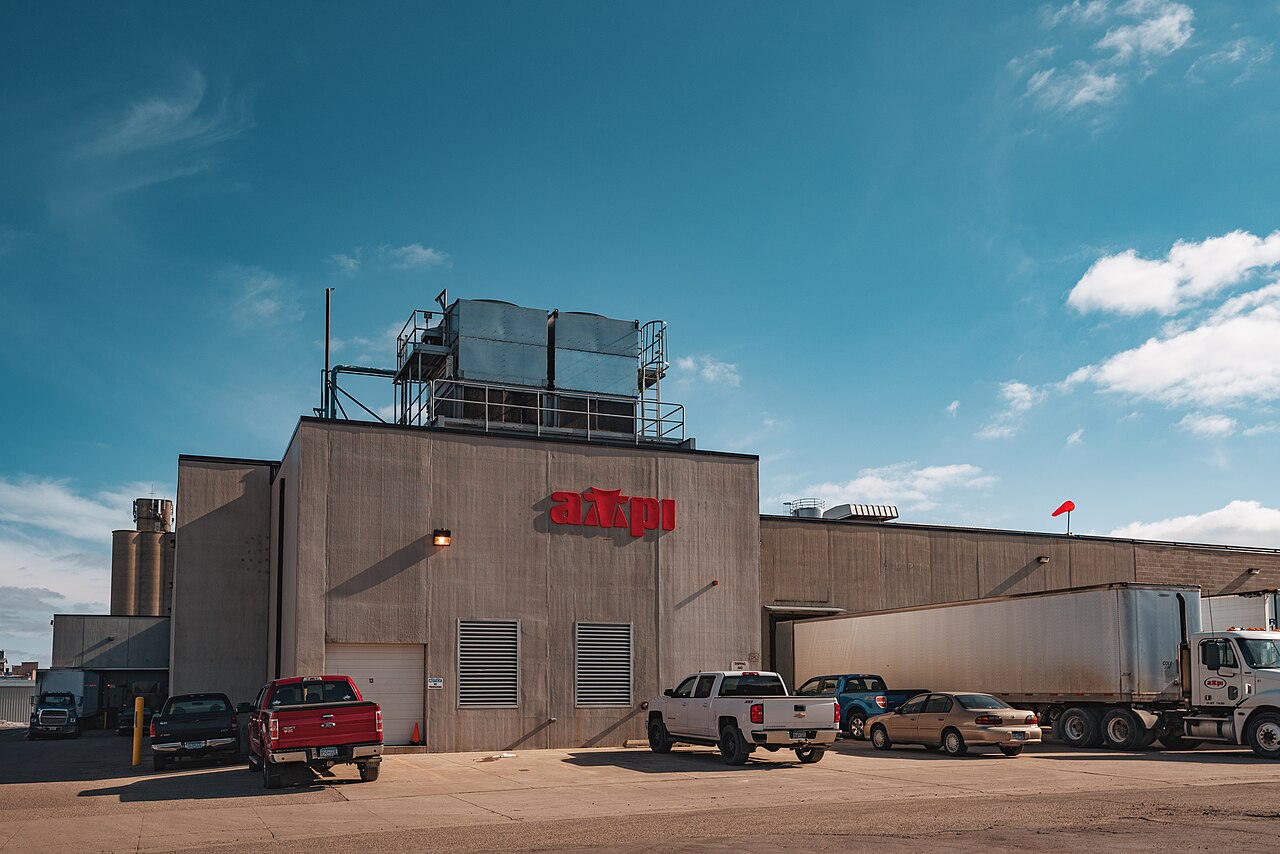
Photo: Tony Webster / Wikimedia Commons (CC BY 2.0)
Source: Farms.com

Comments
(0)