
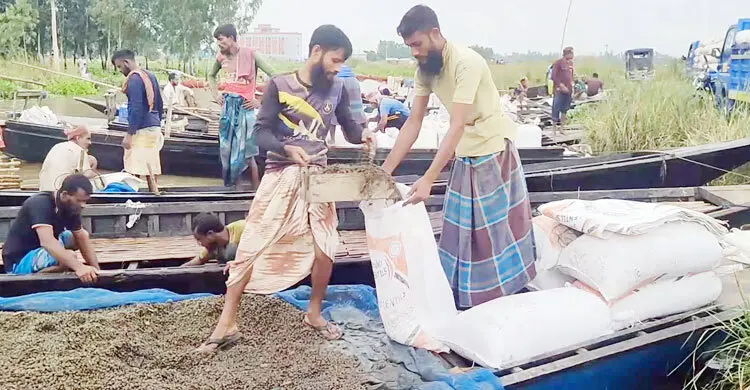
The very name Chalan Beel makes people shiver, thinking of its swollen waters and rolling waves. But that is its monsoon face; in this land of six seasons the wetland changes with each one. At present thousands of low-income people make a living by collecting snails that breed in its natural waters. With little other work in the wetland area, these people are putting food on their families' plates this way.
About 200 tonnes of snails and mussels are reported to be collected every day from Chalan Beel's 16 rivers, 39 beels, 22 creeks and other wetlands. Low-income women, men and children each collect on average two sacks of snails a day. More than 50 wholesale depots have sprung up to trade them, in Chatmohar and Bhangura in Pabna district, Ullapara and Tarash in Sirajganj, and Singra upazila in Natore.
From the wetland to the fish farms
Wholesalers buy the snails from collectors at Tk 400-500 a sack and send them by truck to owners of fish enclosures in Rajshahi, Natore, Pabna, Bogura, Bagerhat, Khulna, Satkhira and elsewhere in the south, selling at Tk 700-800 a sack. Collectors gather the day's snails in the afternoon at various points and sell them to buyers, and they run their households on what each sack earns. Snail collecting goes on from Ashar to Kartik.
Many collectors said that this year their skin itches when they go into the water, but they have no choice but to keep working.
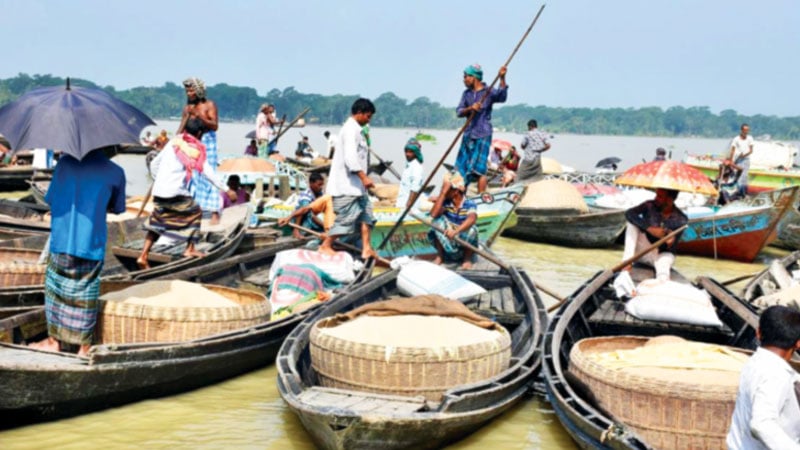
At a floating snail market in the Makarshon area of Saguna union, Tarash upazila, snails are traded wholesale every day from dawn until 9am, like any other market. Boats are moored by the road with more than a hundred sacks of snails, and wholesalers buy them by the sack from middlemen and collectors.
Sajib Hossain of Saguna village, who had come to sell to the wholesalers, said: "Poor boys and girls in the area collect snails and mussels. We buy from them and sell here."
Azizul Haque of Kundail village in Tarash upazila told Jago News: "There used to be plenty of fish in Chalan Beel and we could make a living from it. Now there are not enough fish in the beel to run a household, so I have been forced to live by collecting snails. I can collect two sacks a day on average, and I run my family on what that earns."
Golam Sekh of Makshon village in the same upazila said: "A group of five or six of us take a boat and nets to different canals of Chalan Beel. We cast nets all night to collect snails. In the morning we clean out the rubbish, fill 30-40 sacks and sell them to wholesalers. That earns us Tk 4,000 to Tk 5,500 a day."
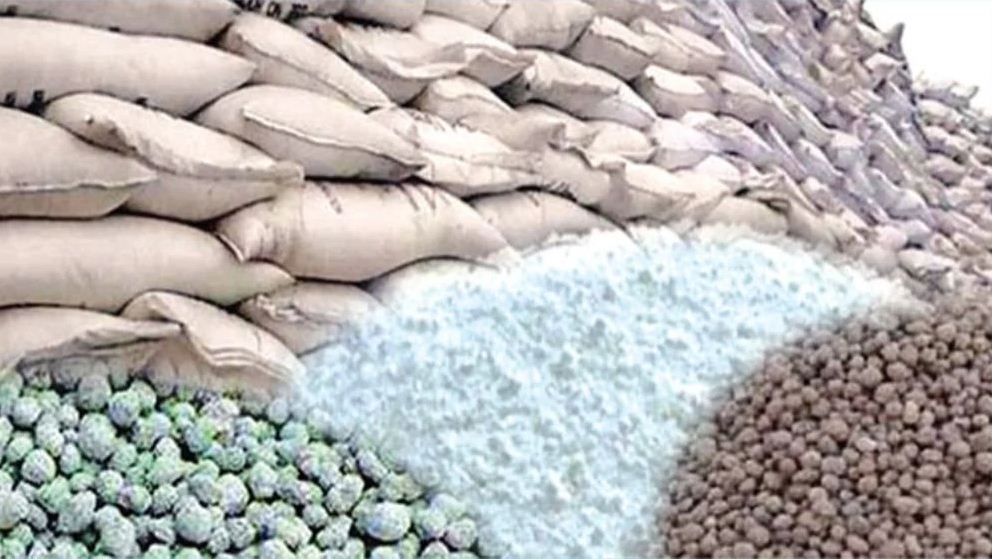
Rabiul Hossain, a wholesaler who had come to buy snails, said: "Duck farmers have huge demand for snails, so I buy from the fishermen and sell to duck farmers in various districts. Meanwhile, the fish-enclosure owners take out the snail and mussel meat and sell the shells. Poultry feed and fishmeal makers buy the shells. The shells are dried in the sun and ground by machine, and a netting machine then produces two products: a powder and a granular powder. The powder is used to make fishmeal and the granules to make chicken feed. The granules are packaged and sold around the country."
Warnings over the harvest
Morjina Islam, a lecturer in zoology at Tarash Degree College, says indiscriminate snail harvesting is damaging soil fertility and the balance of the environment. "The snails caught in the Chalan Beel area are mainly of the apple snail family," she said. "They are taken to feed shrimp in the fish enclosures of the south, and the people of our country do not get those shrimp. Yet about 200 tonnes of snails are caught from Chalan Beel every day."
Tarash upazila agriculture officer Abdullah Al Mamun said: "Snails are a natural resource. As far as I know, the soft part of the snails taken from this area is used as fish feed and the shells are used to make lime and fertiliser. But indiscriminate snail harvesting is harmful to the fertility of the land and the food chain here. It will undoubtedly have a negative effect on the area."
Upazila fisheries officer Moshgul Azad said snails are nutritious and are used as feed for fish and ducks, and that there are plans to take up a project to increase snail production in Chalan Beel.
Source: Jagonews24. First published in Bengali on The Agro News.

Comments
(0)