
Antimicrobial resistance, antibiotics that no longer work, kills about 125,000 people in Bangladesh every year, said Dr MA Muhit, state minister for health and family welfare. Even more patients have to stay longer in hospital, and treatment costs rise.
He was speaking as chief guest on Monday, 23 November, at a workshop in a Banani hotel in Dhaka on reviewing medical, pharmacy and nursing curricula using a World Health Organization (WHO) assessment method. The Centre for Medical Education (CME), the Directorate General of Medical Education and the WHO are carrying out the review together, Sarabangla reports.
Knowledge and awareness alone will not solve the crisis without a change in the behaviour of doctors and patients, the minister said, and a specific policy to stop over-the-counter sales of antibiotics without a prescription, strictly enforced, is urgently needed.
To curb misuse, he said, the government is introducing an e-health system with electronic medical records and electronic prescriptions, which will bring everything under digital monitoring. Pharmacies at government hospitals across the country will be joined in one network to cut waste of free medicines.
Dr Nazmul Hossain, director general of medical education, said that although there are protocols for which antibiotic to use for which illness, many senior doctors and professors of medicine are not aware of them, and the gaps must be filled in the medical curriculum.
Professor Dr Shamima Rahman, director of the CME, chaired the workshop and presented the keynote paper. Other speakers included Sangay Wangmo, senior health policy adviser at WHO Bangladesh, additional secretary Shabnam Mustari and Professor Dr Mohammad Saiful Islam, president of the Bangladesh Medical and Dental Council.
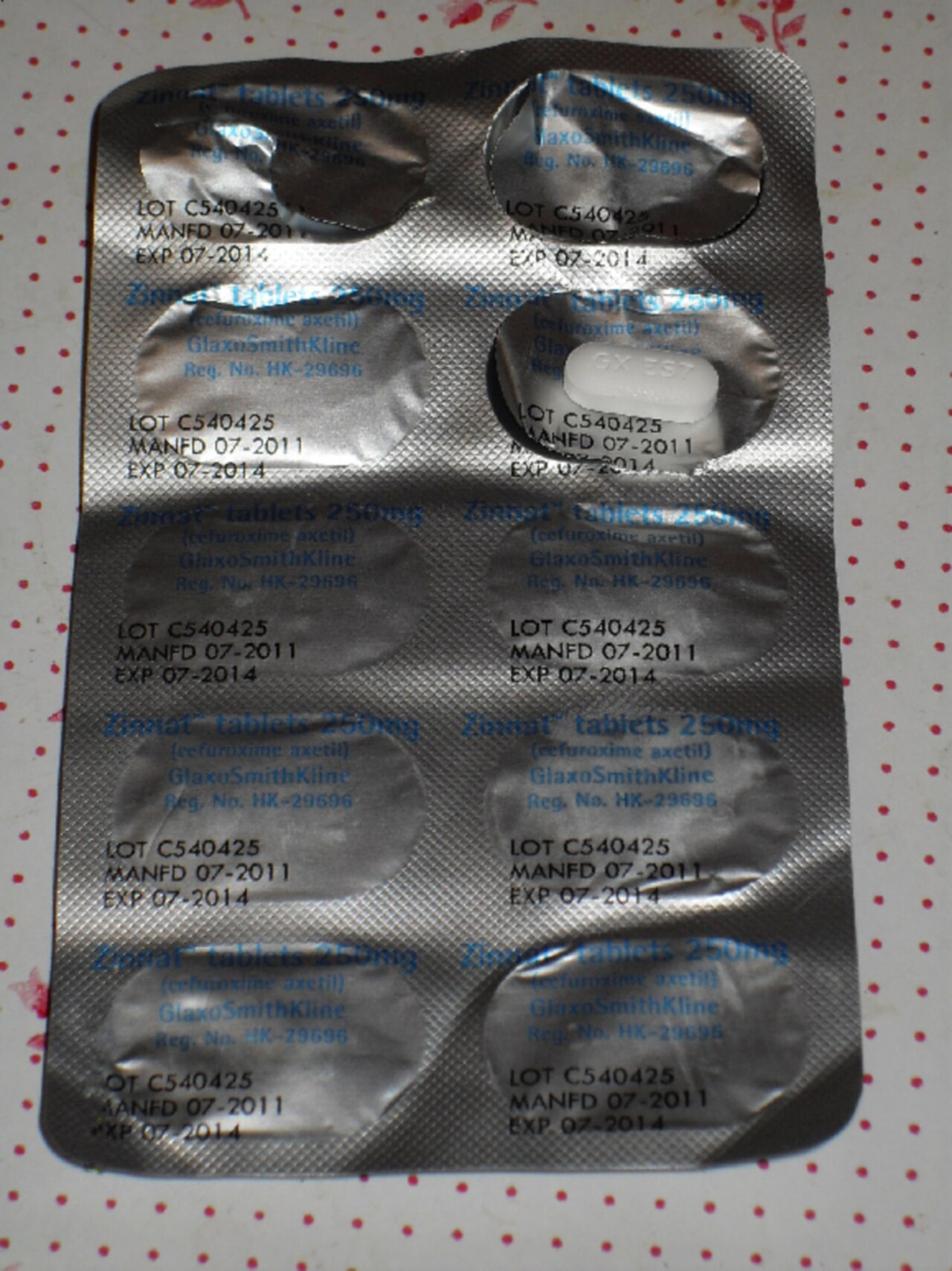
Photo: Tomchiukc / Wikimedia Commons (CC BY-SA 3.0)
Source: Sarabangla


Comments
(0)