
Carbon Robotics, the Seattle company behind the LaserWeeder, passed $100 million in revenue in the year to March 2026 and is working towards an initial public offering as it scales its laser weeding and tractor autonomy business. The firm is also developing a new machine in agricultural robotics that it has not yet announced, and says it may raise further capital for its autonomy platform after a recent $20 million Series D extension.
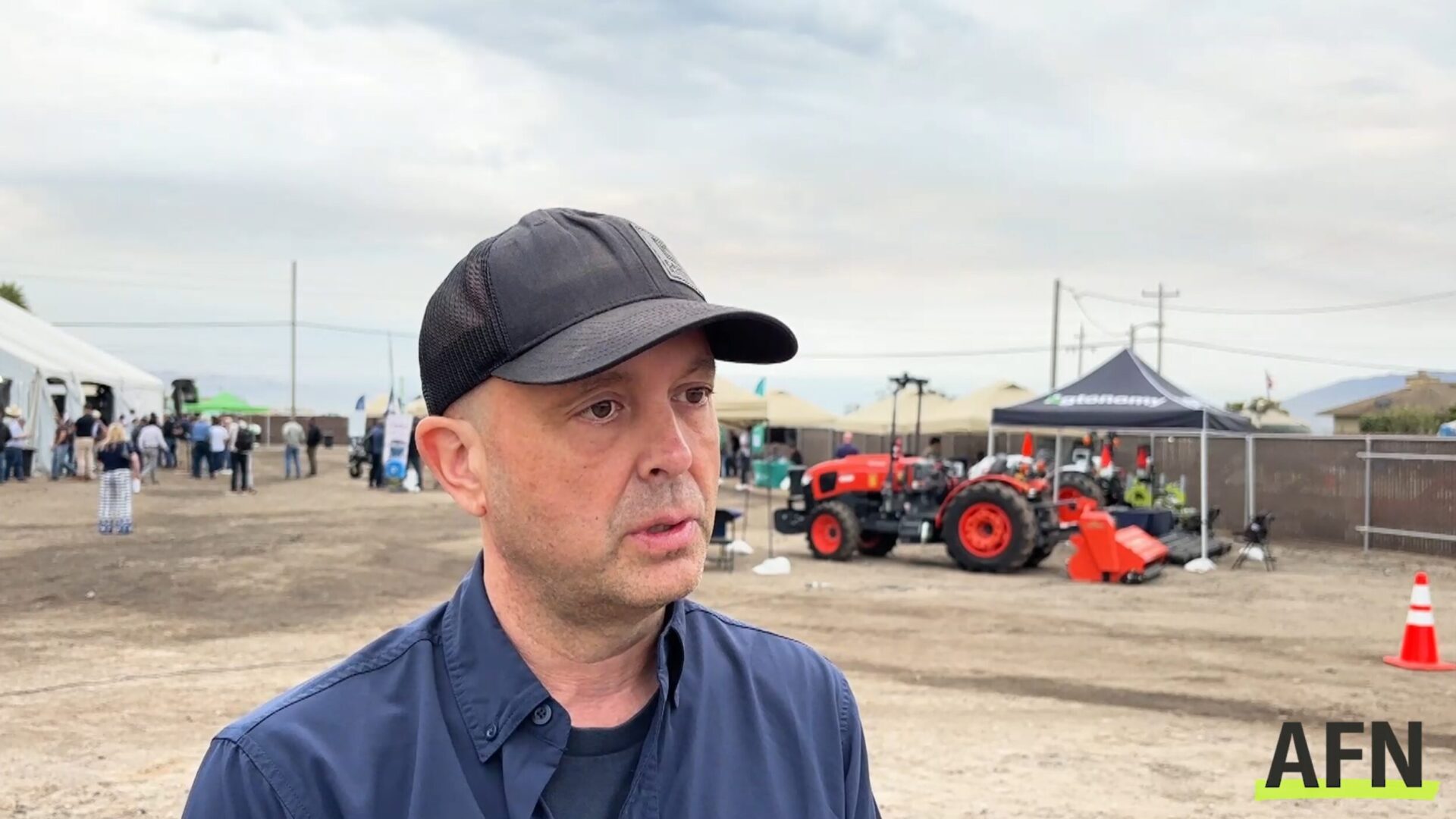
“It’s our intention to get to the point that we’re an independently publicly traded company,” founder and CEO Paul Mikesell said at the Ruggedize ag robotics conference at Reservoir Farms in Salinas. He does not think the company needs to move beyond agriculture to get there, putting the market at thousands of laser weeders a year and 30,000 to 40,000 tractors a year for its autonomy technology.
The LaserWeeder is sold in about 20 countries, with the strongest demand in the United States, then Western Europe and Australia; Mikesell said it works wherever vegetables are grown at scale. The second-generation G2 machine, launched early last year, is modular, with weeding modules fitted along a bar so it can be sized for farms from about 50 acres to hundreds of thousands of acres. The autonomy product converts an existing tractor to run itself using cameras, radar and lidar, and is aimed at tillage, cultivation and irrigation as much as weeding.
The return for a farmer comes from less labour and, where laser weeding replaces herbicides, from yield. Mikesell said university studies and growers have repeatedly documented yield gains of 30 to 50 per cent in the same field because the crop is not knocked back by spraying or by workers walking the rows. Crops come up about two weeks earlier, reach market sooner and use less water and fertiliser. Some growers have also switched from costly transplants to direct seeding, which weed pressure had previously ruled out. Payback is under three years, he said, and under a year in the fastest cases.
The machines are expensive, but Mikesell said banks approached the company once they saw the residual and resale value, and some now write operating leases so that a grower pays a monthly fee with no capital up front and is cash positive as long as the machine earns more than the payment.
Carbon Robotics sells and services directly rather than through dealers, at home and abroad. “We want them to communicate with us directly,” Mikesell said of growers, adding that its regional sales and support staff often come from farming backgrounds in the areas they serve and know the crops, soils and farmers.
For vegetable growers, the company’s figures suggest laser weeding has moved from a novelty to a financed, dealer-free capital good with a documented yield case, and a manufacturer large enough to consider the public markets.
Source: AgFunderNews

Comments
(0)