
The Ministry of Land in Bangladesh has changed part of the process for land mutation. Under the new rules, inherited land that has not been formally divided will no longer be split into separate records; instead every heir's name will appear jointly on a single khatian.
No separate deed of partition is needed for a joint mutation — an inheritance certificate is enough. But an heir who wants a separate khatian, or who wants to pay land development tax separately, must hold a registered deed of amicable partition. Specialists say the effect is a "joint first, separate later" principle for inherited land.
The reason mutation matters is straightforward. Registering a purchase or an inheritance is not the end of the process: mutation is the step that removes the previous owner's name from the government record, or khatian, and enters the new owner's. Without mutation, land cannot be sold, gifted, or even assessed for tax.
Under the new law no land can be registered, gifted or transferred by heba without mutation or a khatian. Paying land development tax also requires the record to be in the owner's own name.
The process can now be completed online. An application is made through the Ministry of Land's digital land services portal, and once the prescribed fee is paid the case is settled within 28 to 45 days.
Specialists are also clear about the risk of skipping it. If a name is missing from the record the owner's title is exposed, and an illegal occupant or another heir can lay claim to the land.
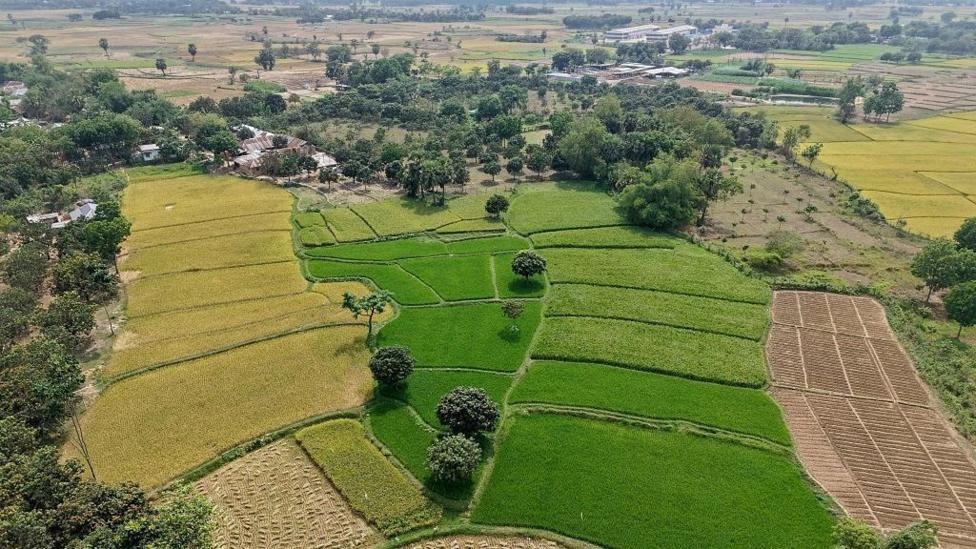
For farming families the change bites directly. Disputes over inherited plots are common in rural Bangladesh, and confirming the true owner in the government record is expected to reduce them. Mandatory joint mutation should bring transparency among heirs, and blocking sales without mutation is expected to cut illegal occupation, specialists say.
Source: BBC Bangla


Comments
(0)