
The World Bank has approved a $500 million International Development Association credit for the Nigeria Sustainable Agricultural Value-Chains for Growth project, known as AGROW, aimed at raising smallholder productivity, strengthening value chains and creating jobs.
Agriculture is Nigeria's largest source of employment, but low productivity, poor access to quality inputs, climate shocks and weak market links have kept it from producing better jobs and cheaper food. Many smallholders remain caught in a cycle where low output means low income and low income means no way to buy the inputs that would raise output.
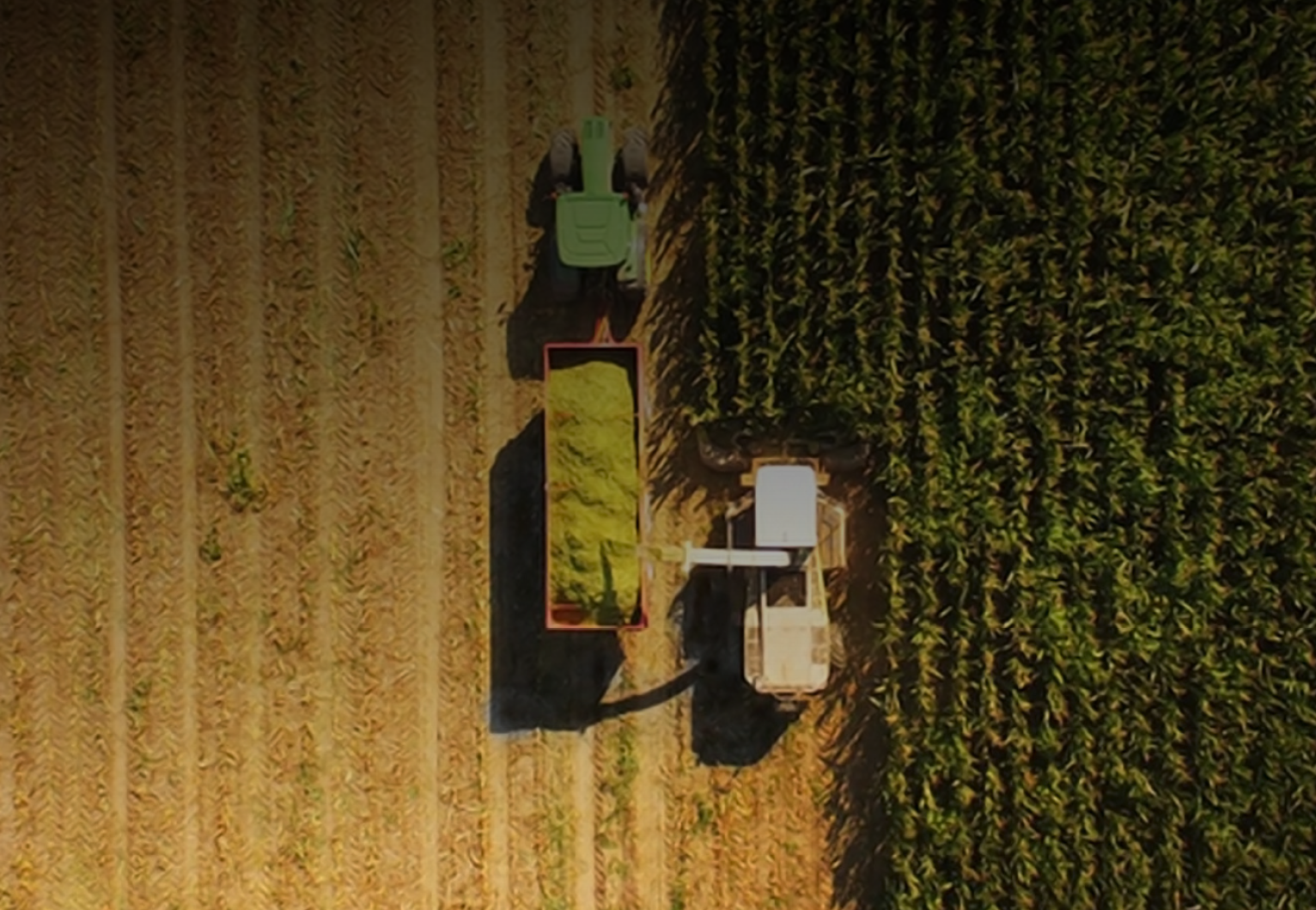
AGROW works on that cycle from the buyer's end. It will back agribusinesses that commit to sourcing from smallholder farmers, through a results-based matching grant facility focused on aggregation, post-harvest handling, value addition through agro-processing, and better market access.
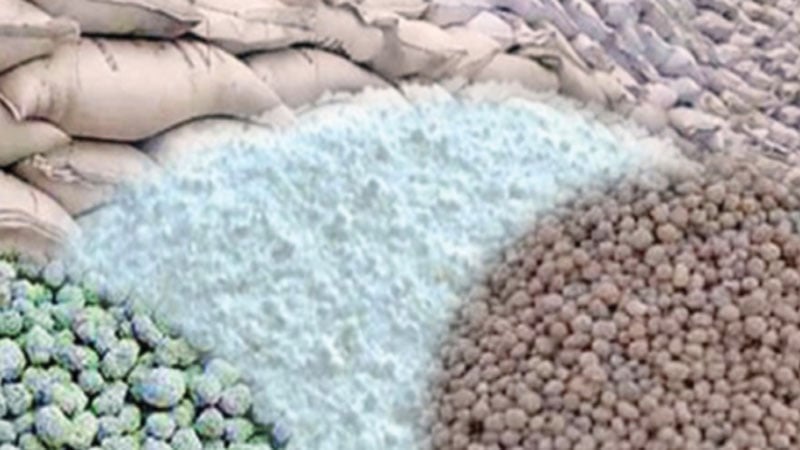
The project also takes on the input side, improving seed and fertilizer regulatory systems, expanding early-generation seed supply, encouraging private production of high-quality seed and promoting transparent, responsible land-based investment.
"AGROW is a transformative step for Nigeria's agriculture — empowering smallholder farmers, unlocking private sector-led growth, and strengthening food security in a sustainable way," said Mathew Verghis, World Bank Country Director for Nigeria, who said the project is expected to benefit up to one million smallholders.
The six-year programme runs from 2026 to 2032 and is expected to raise an additional $220 million from private agribusiness investment — the test of whether a public credit can pull commercial money behind smallholder supply rather than around it.
AGROW sits inside the Bank's wider AgriConnect initiative, the same framework under which Ghana, Guinea and Senegal have launched national compacts over the past year.
Source: World Bank
Comments
(0)