
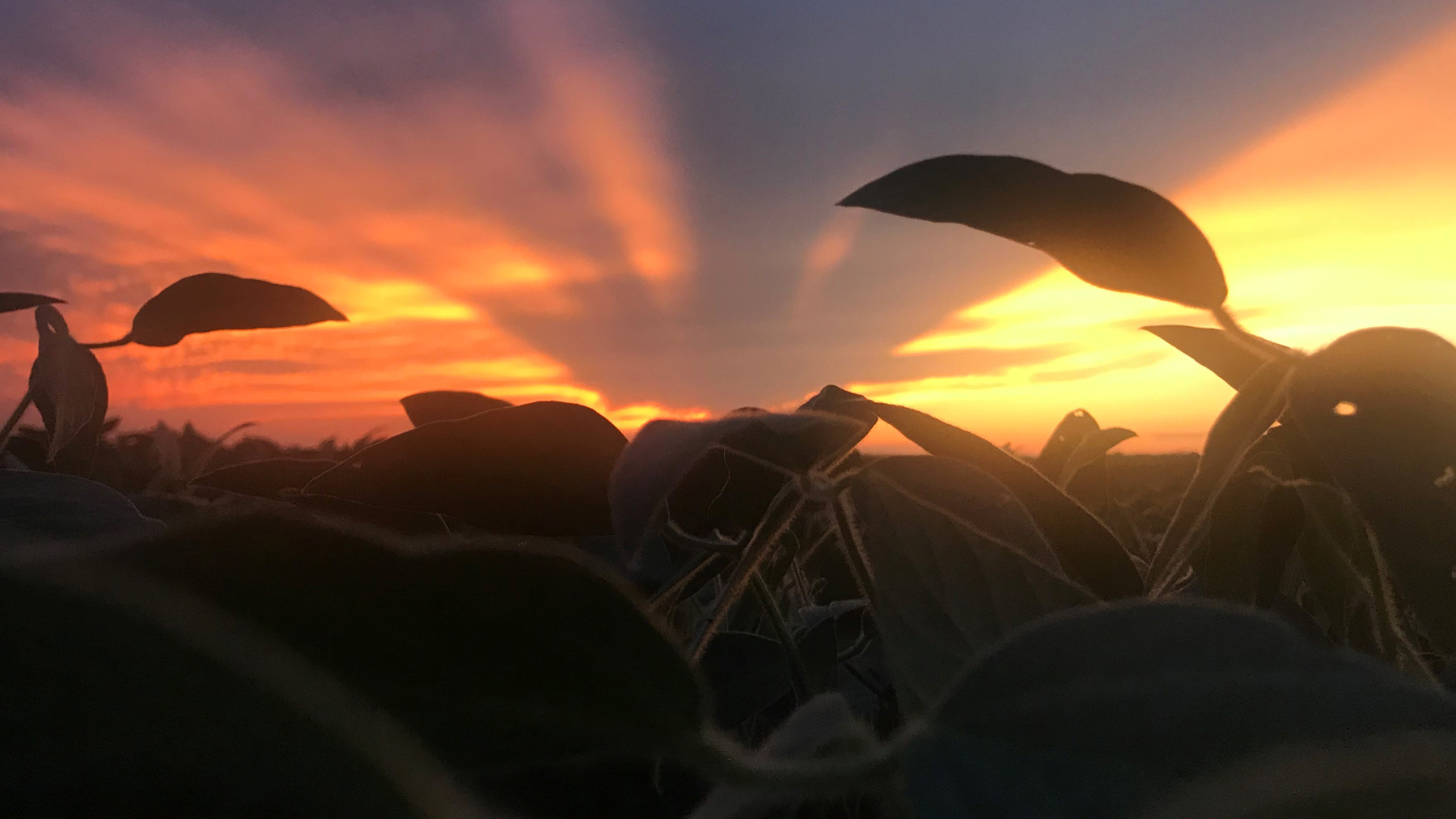
As the 2026 crop comes off, landowners and operators across the Corn Belt will start talking about rent for 2027, and Illinois farm manager Michael Lauher warns in Farm Progress that crop condition, early yield reports, commodity prices and stories about the neighbour's lease are all useful information — and none of them should set the rent by itself.
His first point is to judge the 2026 season honestly. Illinois growers saw an uneven planting season, excessive rain and flooding, summer heat and dryness, then heavy August rains, leaving huge variation between farms and within fields. Well-drained acres kept strong yield potential; ponding, nitrogen loss, storm damage and heat at pollination cut expectations elsewhere. One excellent crop does not establish a new yield expectation, he says, and one poor crop does not permanently lower a farm's capacity. Production is not profitability.
Second, project what the farm can earn. December corn rallied and November soybeans gained nearly a dollar in August, improving 2026-27 revenue, but fertiliser, fuel and other costs remain high, with phosphate under renewed pressure and interest a bigger line in most budgets. The outlook is better than a few weeks ago, Lauher says, but not a return to the margins that supported aggressive cash-rent increases earlier in the decade.
Third, recognise drainage. Properly installed tile allows earlier planting, fewer drowned-out areas and steadier yields, and its value is the ongoing benefit, not the original cost. If a tenant is expected to help pay for new tile, the lease should spell out cost sharing, rent credits, who maintains the system and what happens to the contribution if the lease ends — with enough years for the tenant to recover the investment.
Fourth, evaluate the individual farm and operator rather than county averages: field size and shape, access, fertility, flood risk, weed pressure, distance from the operator's base and from grain markets, plus the tenant's record on payments, weed control, fertility, conservation and care of the property.
Fifth, consider the lease structure — share rent, share rent with a cash supplement, cash rent, a flexible cash lease that adds a payment when price, yield or revenue passes an agreed level, or custom farming — and a multi-year term where the operator is investing in drainage or fertility. The best rent, Lauher concludes, is not the highest a landowner can get or the lowest a tenant can negotiate, but a figure the farm can support while protecting its long-term productivity.
Source: Farm Progress

Comments
(0)