
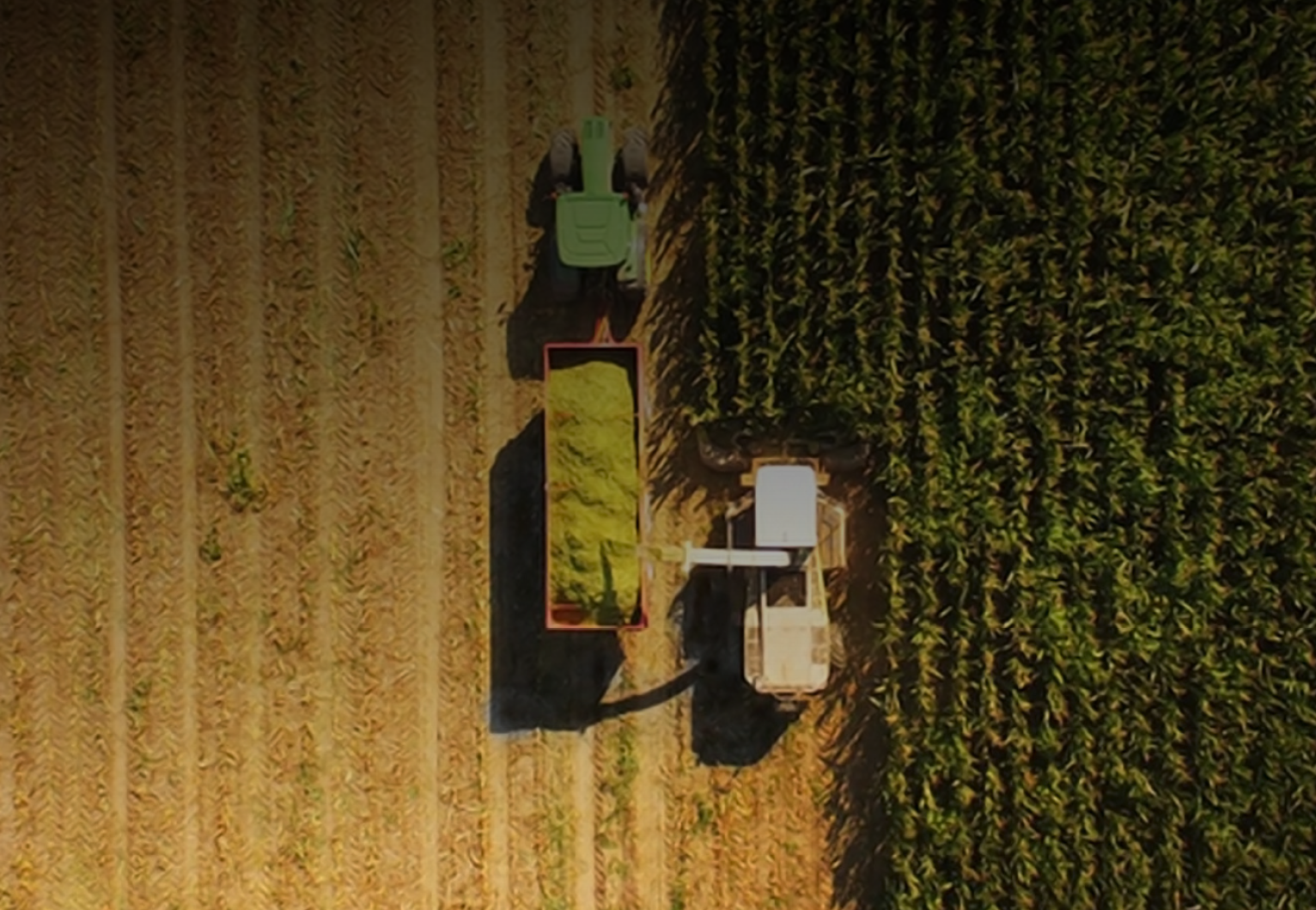
Bangladesh gives agriculture a high priority in its public accounts — about 10 percent of total public spending — yet growth in the sector has slowed and productivity gains have weakened. A World Bank report released in Dhaka argues the problem is not how much is spent but what it is spent on.
The report, Repurposing Agricultural Public Spending for Quality Growth and Jobs in Bangladesh's Agrifood System, finds that a large share of the money goes to subsidies and rice-related support, while the areas that raise farm productivity and incomes — research, advisory services, irrigation, market access and climate resilience — remain underfunded.
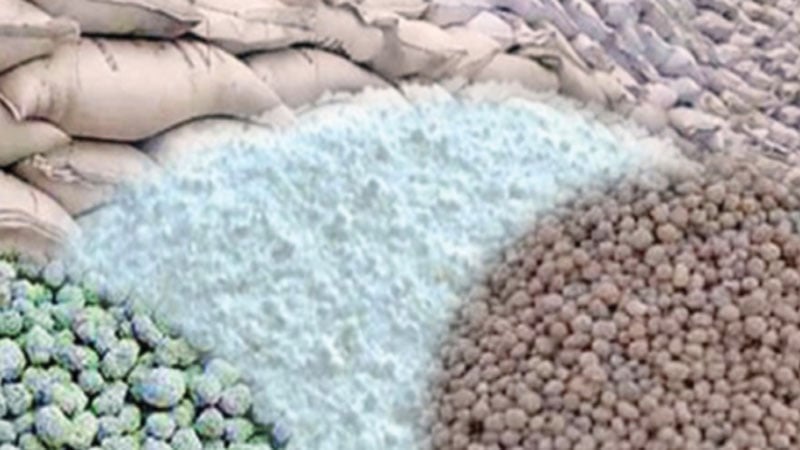
Fertilizer subsidies are the single largest form of support, accounting for about 80 percent of the Ministry of Agriculture's budget. They have helped farmers hold production steady and kept prices stable. But because the subsidy is tied to the quantity of fertilizer bought, the benefit rises with the size of the holding.
Fertilizer use is also badly balanced. Only about 5 percent of farmers apply a balanced mix of nutrients within the recommended ranges — a gap the report identifies as one of the largest available opportunities to raise yields at no extra cost.
The skew towards rice pulls in the same direction. Rice occupies around 72 percent of cultivated land and receives about 80 percent of subsidy benefits, even though livestock, fisheries, vegetables and agro-processing offer stronger returns and more jobs. That concentration discourages the diversification the report says the country needs.
"Agriculture is central to Bangladesh's development, job creation and poverty reduction," a World Bank official said at the launch. "But climate risks, shifting consumption patterns, tighter fiscal space, and rising price and supply disruptions of fertilizers due to the Middle East conflict are exposing gaps in policies and spending."
The recommendations are sequenced rather than abrupt. In the near term the report calls for expanding soil testing, strengthening farmer advisory services and rolling out the Farmer's Card and an e-voucher, so that support reaches poorer and climate-vulnerable areas. Better delivery, it argues, then frees money for longer-term investment.
"Modernizing fertilizer subsidy design and delivery offers a significant opportunity to save foreign exchange, increase agricultural productivity, improve soil health, and ensure that support reaches the farmers who need it most," said Mansur Ahmed, Senior Economist at the World Bank and a co-author of the report.
Source: World Bank
Comments
(0)